If you live in Fort Myers, Cape Coral, or Naples, you already know: Florida summers are unlike anything else in the country. From June through September, Southwest Florida regularly sees afternoon highs in the low-to-mid 90s — and the humidity doesn't quit. Relative humidity peaks around 76–79% during the heart of summer, with dew points pushing 70°F. Your air conditioner wasn't designed for mild weather. But even a well-maintained system can buckle under these conditions if you don't understand what it's actually up against.
It's Not Just the Heat — It's the Moisture

Most homeowners assume their AC's only job is to drop the temperature. In reality, it's doing two jobs at once — removing heat and pulling moisture out of the air. In a climate like ours, that second job is just as hard as the first. When indoor humidity climbs above 60%, your home can feel 3–4 degrees warmer than your thermostat actually reads. You crank it down, the system runs longer, you still feel sticky, and your energy bill climbs every month.
Florida's rainy season runs May 15 through October 15, dumping roughly 45 inches of rain in just five months. During that stretch, outdoor air is so saturated that your system is fighting a constant uphill battle to keep indoor moisture under control — which is exactly why your AC runs almost non-stop in July and August.
The Five Reasons Your System Is Running But Not Keeping Up
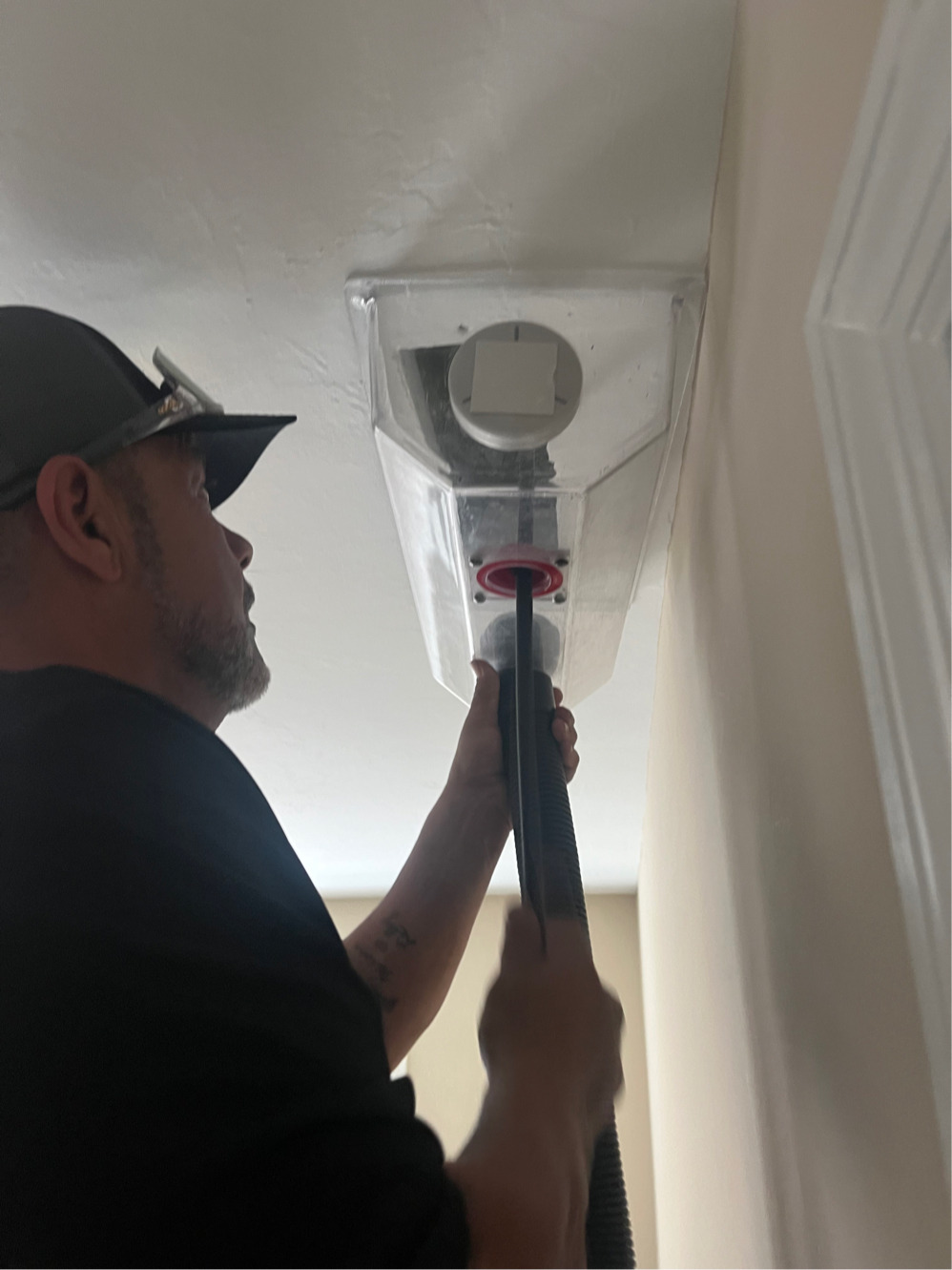
1. A Dirty Evaporator Coil: The evaporator coil is where your system extracts both heat and moisture from indoor air. In Florida's humidity, dust and debris stick to the damp coil surface far more aggressively than in dry climates. Even a thin layer of buildup cuts heat transfer efficiency and forces the system to run longer while actually removing less moisture. A professionally cleaned coil can recover 15–20% of lost efficiency on its own.
2. A Clogged Air Filter: Restricted airflow across the evaporator coil reduces the system's ability to pull moisture from the air. It can also cause the coil to freeze — which sounds helpful but actually shuts down airflow entirely and leads to water damage and system failure. In Bonita Springs and Estero, where seasonal dust and pollen are relentless, we recommend changing filters every 30–45 days — not every 90 like the box says.

3. A Blocked Condensate Drain: As your AC pulls humidity, that moisture drains out through a condensate line. In Florida's heat, algae and mold grow inside those lines fast. A clogged drain causes water to back up, trips the system's safety switch, and can cause water damage inside your home — all preventable with a routine flush during a professional tune-up.
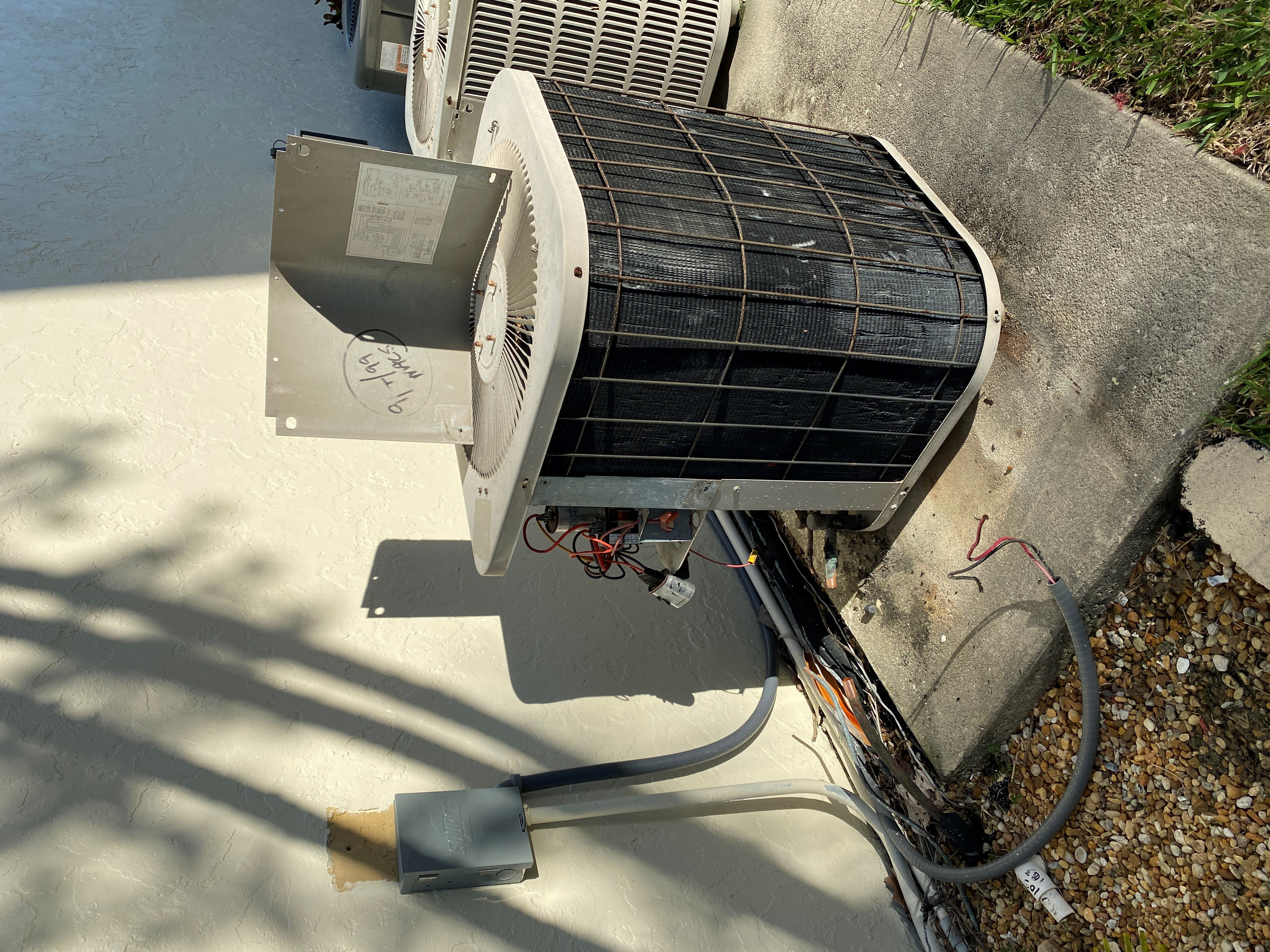
4. Salt Air Corrosion on the Outdoor Unit: The coastal air across Lee and Collier Counties carries salt, mold spores, and pollen that accumulate on your outdoor condenser coils. That buildup blocks the unit's ability to release the heat it's pulled from inside your home. The result is a system running hotter and harder than it should, burning more energy per degree of cooling. If your outdoor unit looks like the one in the photo at left, it's working overtime every day.
5. An Oversized System: This one surprises people. A unit that's too big for your square footage cools quickly — then shuts off before it's had time to remove adequate moisture. You get a room that's cold but clammy. This "short cycling" also hammers the compressor at startup, which is when components experience peak stress and accelerate toward failure.
What the Numbers Mean for Your Home
The EPA recommends keeping indoor humidity between 30–50%. When Florida homes push past 60% — which happens constantly during rainy season — it doesn't just feel uncomfortable. It creates conditions for mold growth in ductwork, walls, and drip pans. Studies show that keeping humidity in range allows homeowners to set their thermostat 2–3 degrees higher while feeling the same level of comfort, cutting energy use meaningfully on every bill.
What You Can Actually Do About It
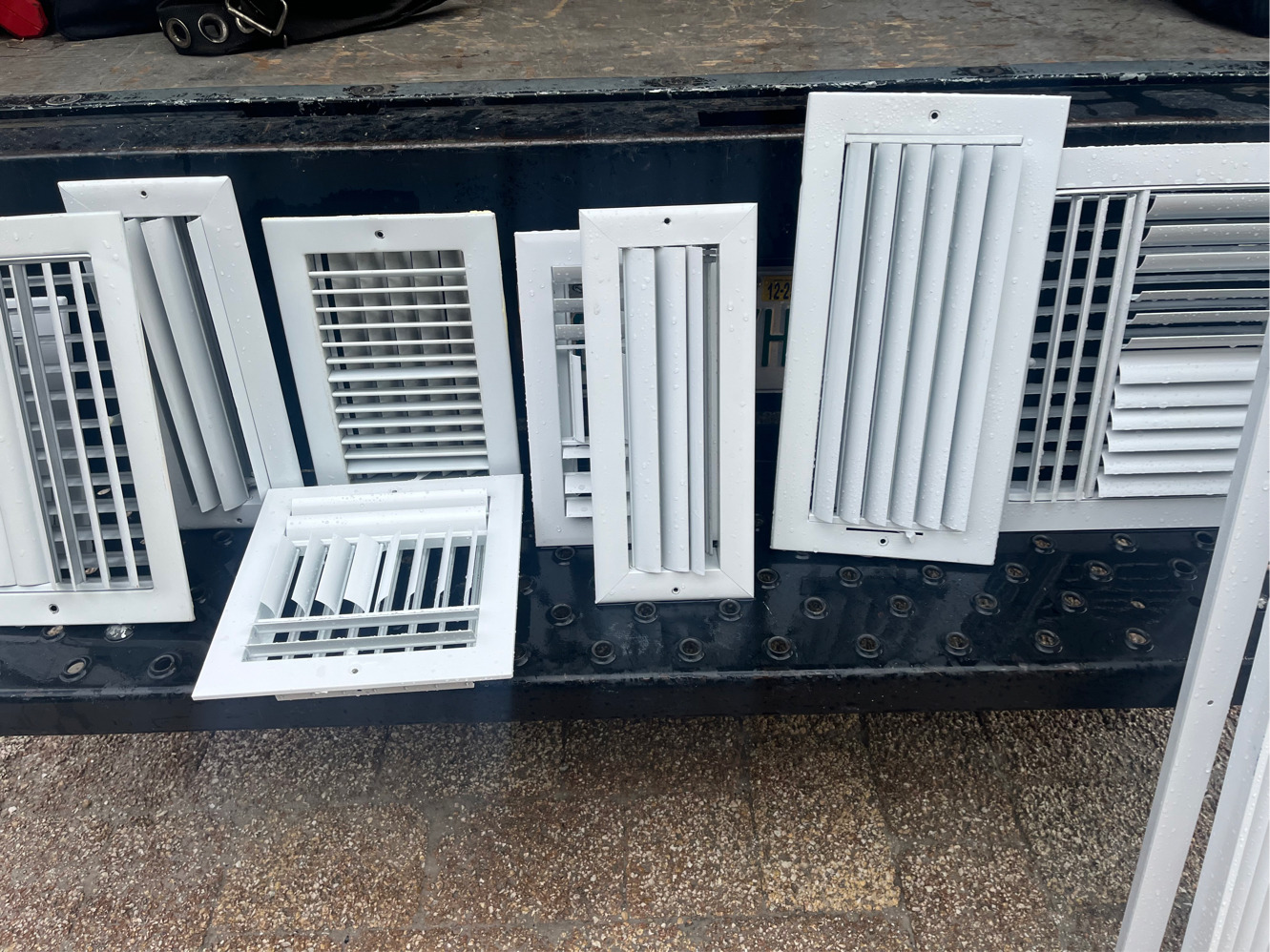
Get a professional tune-up before May 15. That's the start of rainy season. A technician should clean both coils, flush the condensate drain, check refrigerant levels, replace filters, and verify airflow through every register. What a tune-up catches costs a fraction of what a mid-summer breakdown costs, many times over.
Switch your thermostat fan to AUTO. If it's set to ON, your fan runs continuously — including when the system isn't cooling. That recirculates air without removing moisture and drives indoor humidity up fast. AUTO mode means the fan only runs during active cooling cycles, giving the coil time to properly drain condensate.
Consider a whole-home dehumidifier. For homes in Bonita Springs, Estero, or along the Cape Coral canals that struggle with persistent humidity even with a properly functioning AC, a whole-home dehumidifier integrated into the HVAC system dramatically cuts the moisture load your air conditioner carries. It runs less, lasts longer, and keeps comfort consistent even on the most oppressive August days.
⚠️ Don't Wait Until July to Find Out
If your home feels humid with the AC running, rooms cool unevenly, or you notice a musty smell — those are signs worth a professional look now. Every HVAC company serving Lee and Collier County fills up fast once summer arrives. A pre-season tune-up in April is a completely different conversation than an emergency call in August.
Your AC in Southwest Florida isn't just working harder than a system up north — it's doing a fundamentally different job against fundamentally different conditions. Salt air, near-daily rainstorms, 10–11 months of continuous run time — it adds up. The systems that hold up are the ones that get proper maintenance before summer asks everything of them.