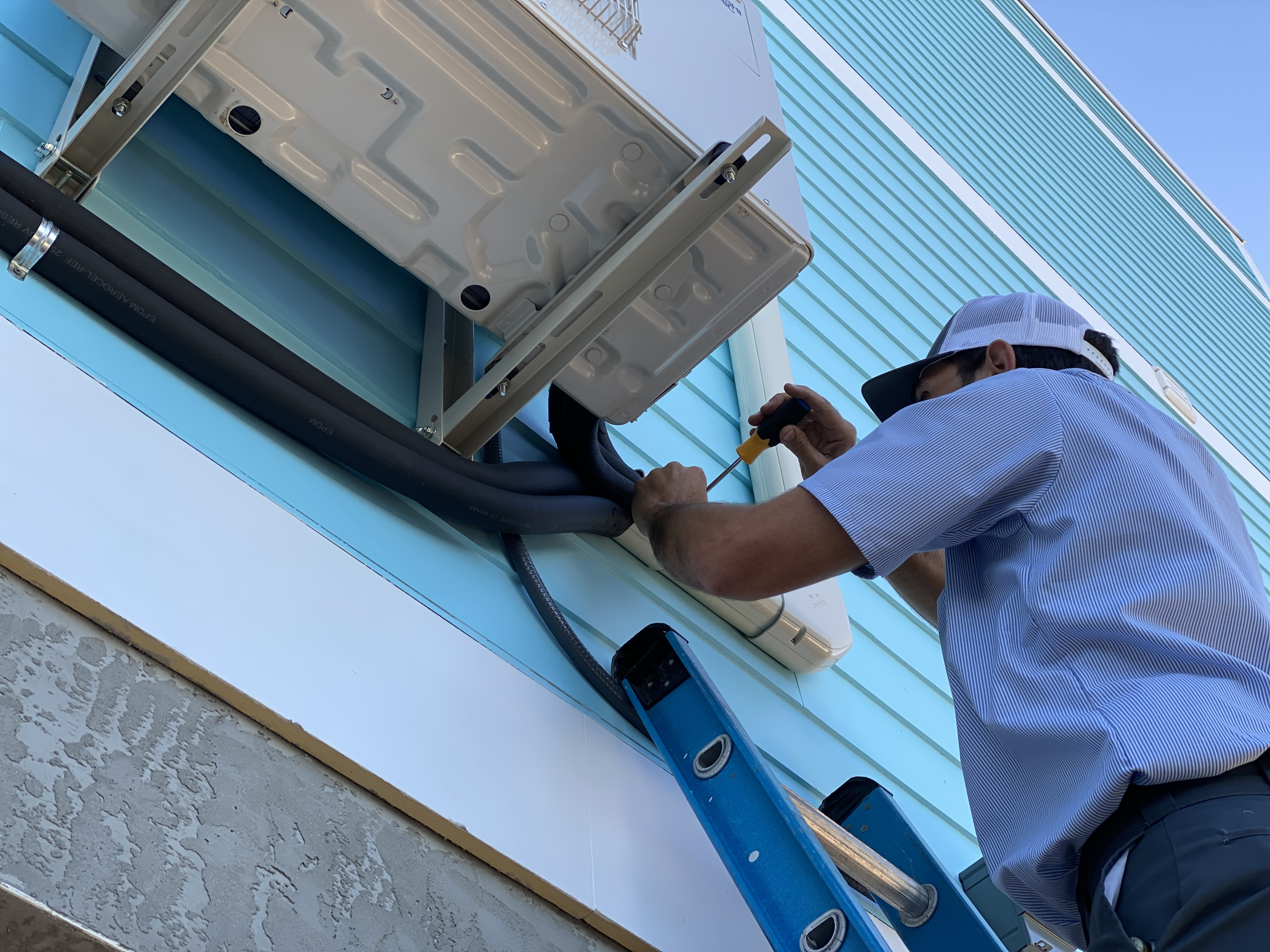
Most homeowners in Fort Myers, Naples, and Cape Coral think about their air conditioner in one of two ways: it's either working or it's not. What rarely comes up is the third reality — the unit is still running, but it's quietly costing far more than it should, every single month. In Southwest Florida, where AC systems run nearly year-round and electricity bills are already elevated, an aging or inefficient system isn't just an inconvenience. It's a recurring monthly expense that compounds year after year while you wait for something to visibly break.
What Electricity Actually Costs in Florida Right Now
The average residential electricity rate in Florida is approximately 15.92 cents per kilowatt-hour, with the average monthly bill running around $166 — already higher than most homeowners realize. Florida Power & Light has an active multi-year rate hike proposal with the Florida Public Service Commission, meaning that number is going up. In a climate where your AC carries 40–50% of your home's total energy load, any inefficiency in that system gets amplified by every rate increase that follows.
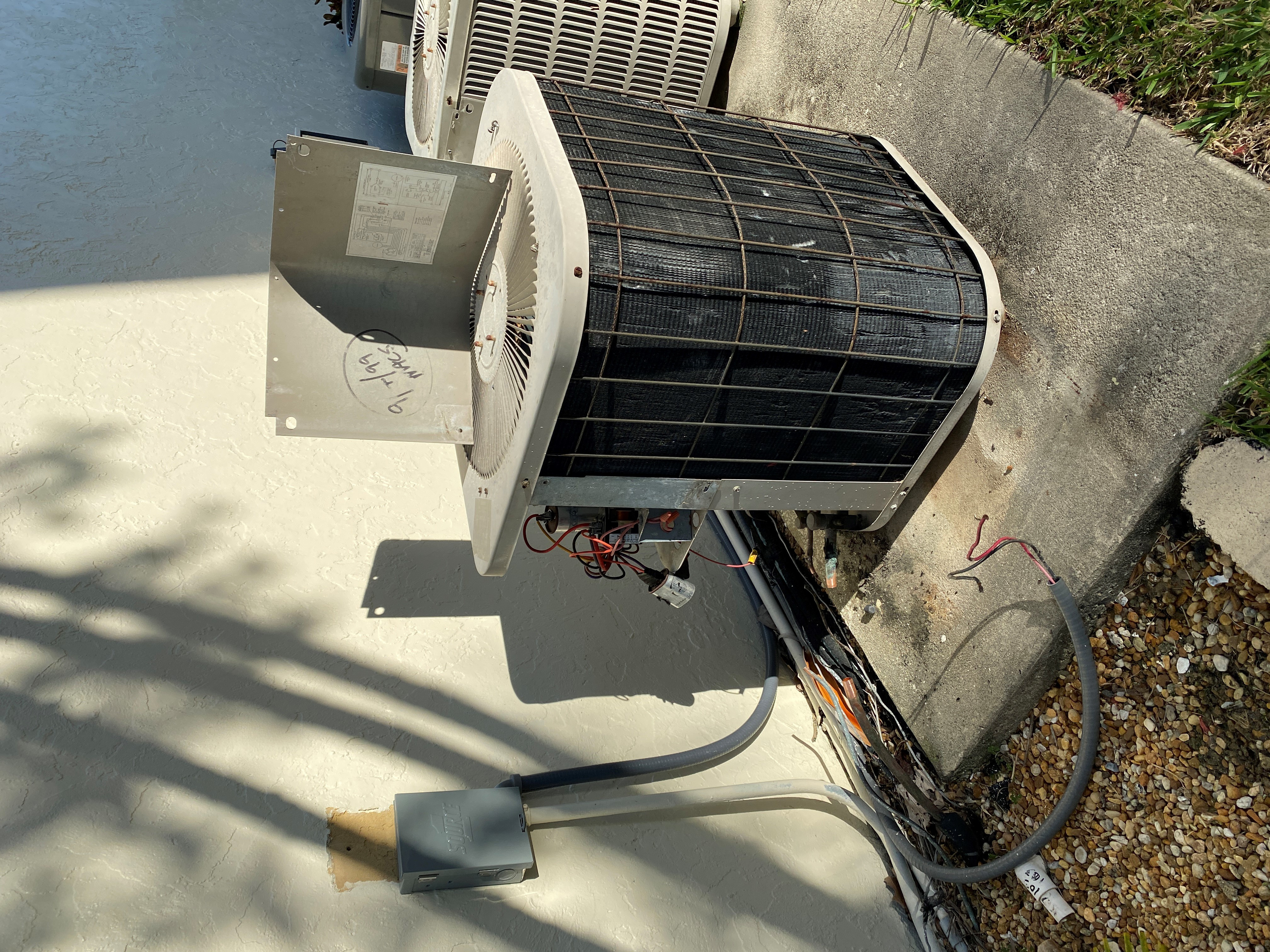
The unit in the photo at right is a real example from our service area — still running, still cooling (barely), but working 30–40% harder than a modern system would to produce the same result. The homeowner has no idea it's happening. That's the most expensive kind of HVAC problem: the silent one.
How Old Equipment Loses Ground on Efficiency
Air conditioner efficiency is measured by SEER — Seasonal Energy Efficiency Ratio. As of January 2023, the federal government replaced SEER with a stricter standard called SEER2. The current minimum for new systems in Florida and the Southeast is 14.3 SEER2. Systems installed before 2010 may carry a SEER rating of only 10 or 12 — meaning they use roughly 45% more energy than today's minimum to produce the same amount of cooling. That gap shows up on your bill every month for 10–11 months a year in Southwest Florida.
The Numbers That Matter
A 10 SEER system uses 45% more energy than today's 14.3 SEER2 minimum — paid every month, all year. Homeowners upgrading from a 13 SEER system to a 20 SEER2 system save approximately $628 per year in cooling costs. On a practical level, for someone currently paying $200/month on cooling during peak summer months in Bonita Springs or Estero, a modern high-efficiency system can translate to $90 or more in monthly savings — savings that continue every single month the system runs.
That efficiency gap gets worse over time, not better. Units without regular maintenance lose approximately 5% of their efficiency per year. A 10-year-old system originally rated at 14 SEER may now be performing closer to 9 or 10 SEER in real-world conditions. Layer in Florida-specific degradation — salt air corrosion on condenser coils, algae growth in condensate lines, debris accumulation from rainy season — and you have a system that runs longer, works harder, and delivers less comfort per dollar spent, with no obvious warning light telling you it's happening.
Repair Costs: The Part Nobody Adds Up
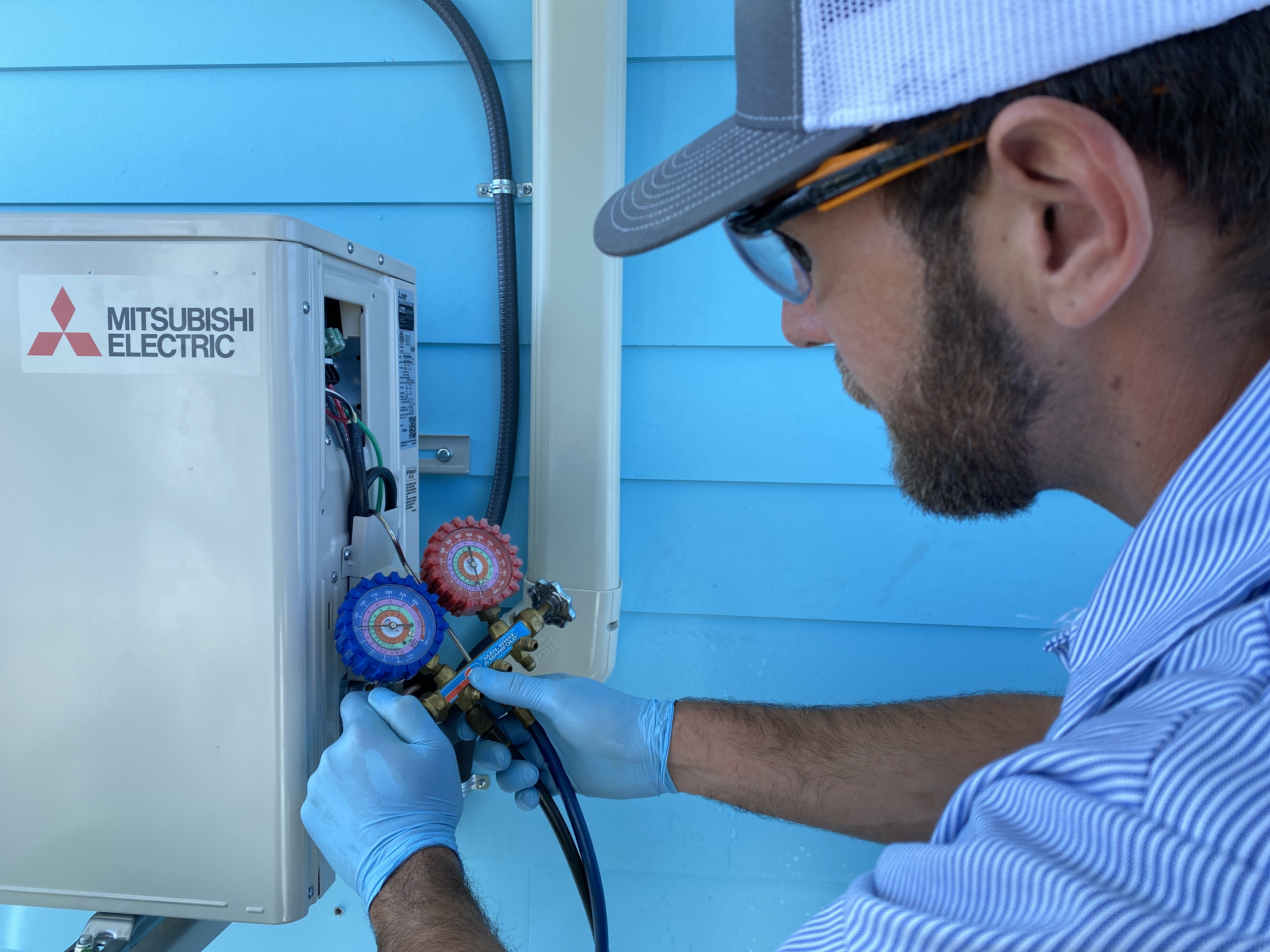
Beyond energy bills, aging systems carry repair costs that rarely get tallied honestly. A capacitor here ($200–$350), a refrigerant recharge there ($150–$400 per pound for R-410A), a blower motor the following year ($400–$700) — individually each repair seems manageable. Added up over three to four years, the picture looks very different. The industry's standard guideline is the 50% rule: if a repair costs more than 50% of what a new system costs, replacement is the smarter financial move.
There's also the refrigerant factor that's already reshaping the market. As of January 1, 2025, new HVAC systems can no longer be manufactured using R-410A. Supply will decrease and refrigerant-related service costs will rise over time. Since R-410A systems cannot be retrofitted with newer refrigerants, every dollar spent recharging an R-410A system is money going into equipment that will eventually need full replacement regardless.
⚠️ The R-410A Clock Is Already Running
If your system uses R-410A refrigerant — which covers nearly everything installed between 2010 and 2024 — refrigerant-related repairs are going to become more expensive year over year as supply decreases. A system that already needs refrigerant service is a system where the repair-vs-replace math is actively moving against you.
The Full Picture: What Waiting Actually Costs
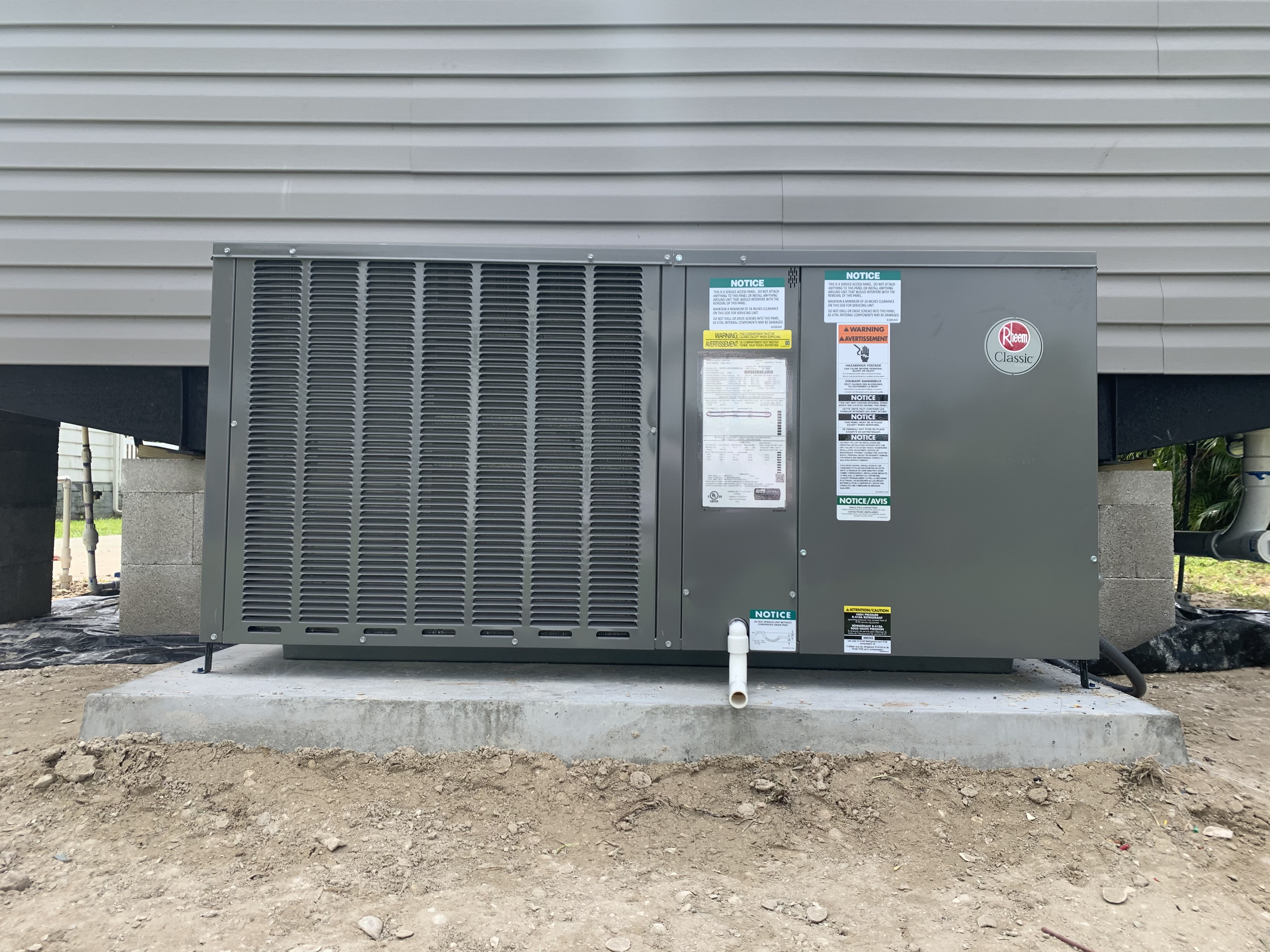
When homeowners hesitate to replace an aging system, the decision is usually framed around the upfront cost of a new installation. What rarely gets calculated is the true annual cost of keeping the old one. A system that costs an extra $100 per month in energy inefficiency alone runs up $1,200 per year in unnecessary expense — $6,000 over five years. HomePros installs two recommended lines — Comfortmaker for everyday value and the premium Daikin FIT — both with strong factory parts warranties and an exact written price upfront. The conversation about replacement often looks very different once those numbers are in the same room.
The cost of running an old AC in Florida isn't just what you pay when it finally breaks down. It's what you pay every month in elevated energy bills, declining performance, and accumulating repairs while you wait for it to break. For most homeowners with a system over 10 years old, that math is working against them far more than they realize.