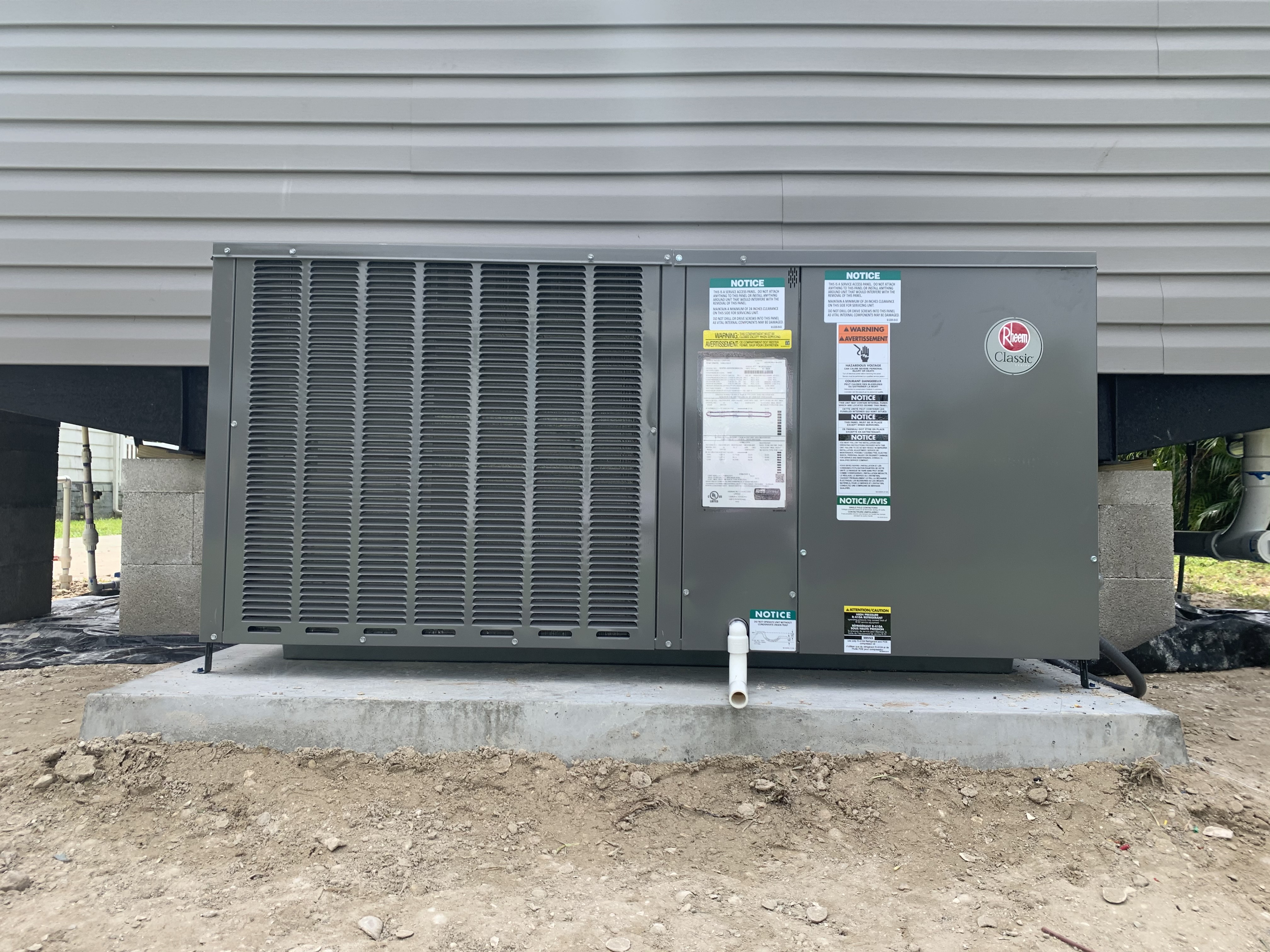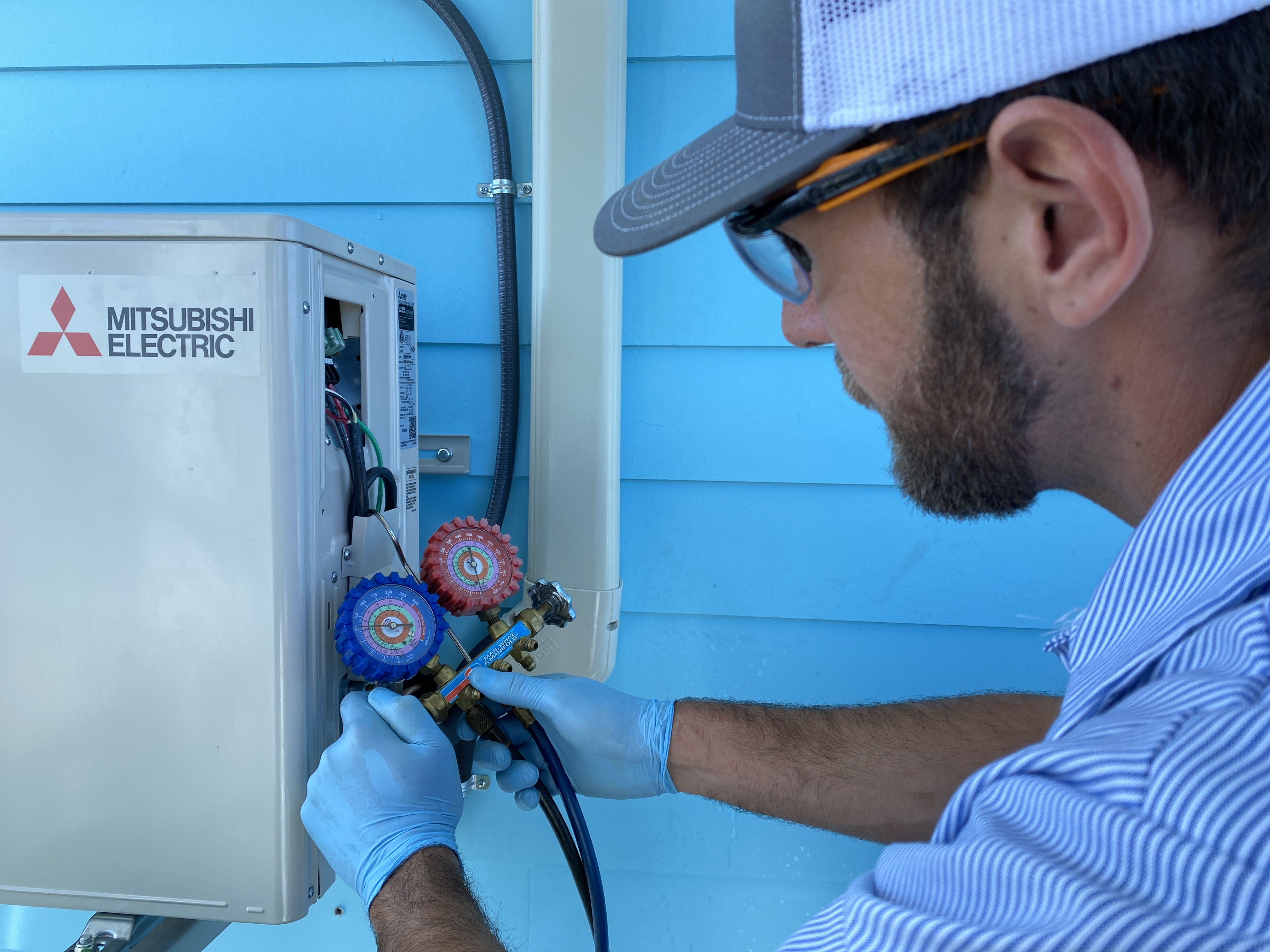
Ask most homeowners how long an air conditioner should last and they'll say 15 to 20 years. That's the national average — and it's accurate for a home in Ohio or Colorado. But if you live in Fort Myers, Naples, or Cape Coral, that number is going to let you down. Here in Lee and Collier Counties, your AC isn't operating under normal conditions. It's running harder, against more corrosive forces, for more months of the year than nearly any system in the country.
The Real Florida Numbers
According to the U.S. Department of Energy, central AC systems average 15–20 years nationally. In Florida, that drops to 10–15 years — and in coastal areas like Fort Myers Beach, Sanibel, and Naples, systems often land toward the 10–12 year end. The reason is simple: a Florida system runs 3,000–4,000 hours per year. A Midwest system runs 500. What takes 15 years to wear out elsewhere happens in 10 here. Heat pumps average 10–14 years in this climate; ductless mini-splits hold up best at 15–18 years.
What's Actually Cutting Your System's Life Short

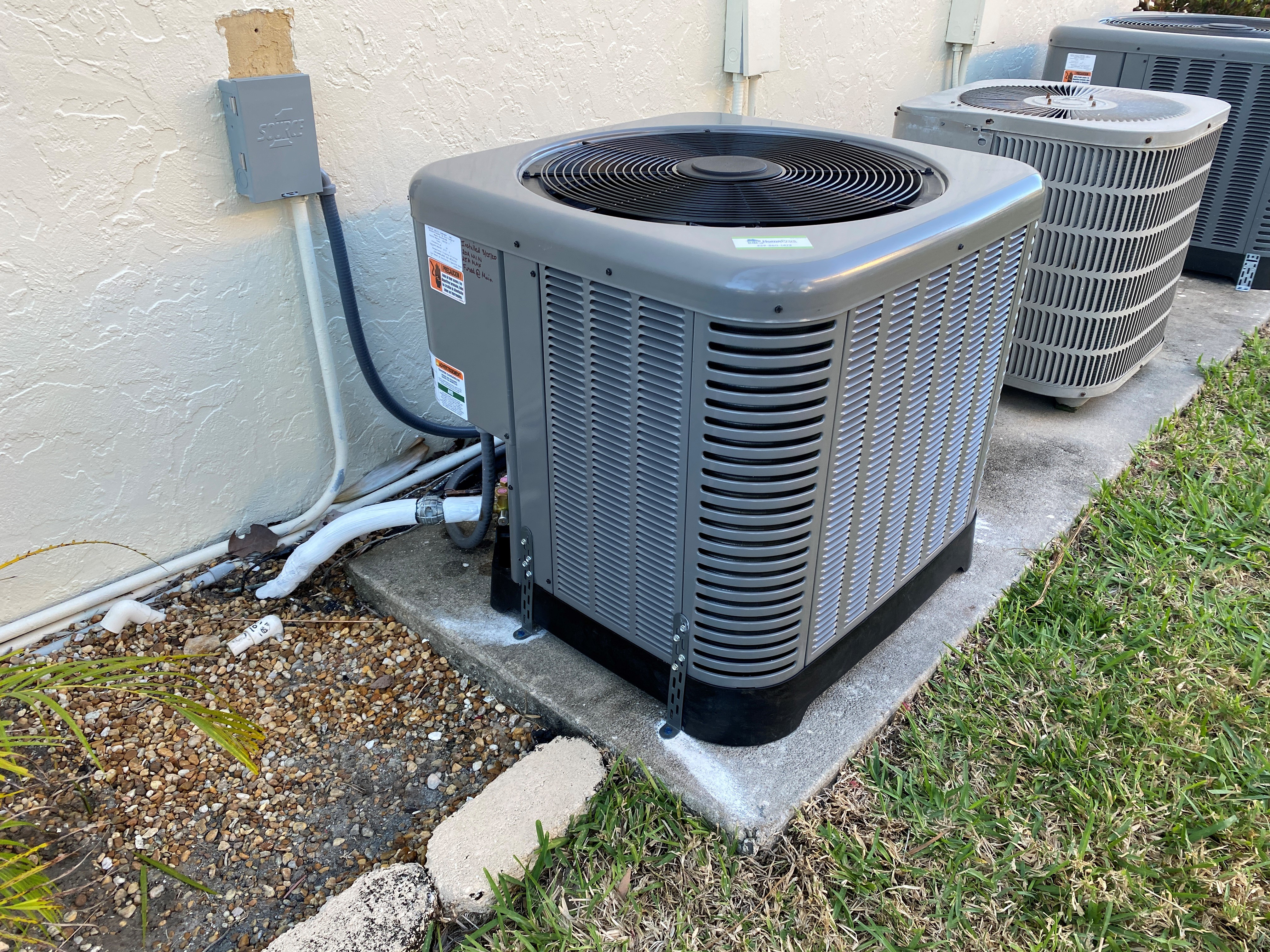
Salt Air Corrosion: If you're within five to ten miles of the Gulf — which covers a significant portion of Bonita Springs, Naples, and Cape Coral — your outdoor unit is breathing salt every single day. Salt is hygroscopic, meaning it pulls moisture into itself and holds it. When salt particles land on condenser coils, they form a briny film that accelerates corrosion, eating away at the aluminum fins and copper tubing. Once coils start pitting, the system loses heat transfer efficiency and the decline compounds from there. The unit in the photo at right is a real example from our service area — this is what neglected salt air exposure looks like after 10–12 years.
Relentless Run Time: In Estero and Lehigh Acres, homeowners run their AC for 10–11 months straight. In the Midwest, the same system might run 4 months. That's the equivalent of 2–3 years of mechanical wear packed into every calendar year in Florida. Compressors, capacitors, contactors — they all accumulate wear based on run hours, not calendar years. A 10-year-old Florida unit has the mechanical mileage of a 20-year-old unit in Chicago.
Lightning and Power Surges: Florida leads the nation in lightning strikes, and Southwest Florida is squarely in the bull's-eye. Daily summer thunderstorms send electrical spikes through your system's control boards, capacitors, and contactors. An HVAC-specific surge protector runs $75–$150 installed — a fraction of what a fried control board costs to replace, and a straightforward way to add years to your system's life.
Improper Sizing: An oversized unit short-cycles — it cools so fast it shuts off before removing humidity, leaving the house clammy. An undersized unit runs constantly trying to keep up. Either way, components wear out years faster than they should. Many contractors size by square footage rules of thumb rather than the proper Manual J load calculation that accounts for insulation, window exposure, ceiling height, and Florida's actual climate data.
How to Get the Most Out of What You Have
Schedule maintenance twice a year, not once. In this climate, a single annual tune-up isn't enough. A pre-summer visit and a post-summer check catch corrosion, refrigerant issues, and electrical wear before they become $1,500 repair calls. Most HVAC failures in Fort Myers and Naples don't happen without warning — they happen because small issues went unaddressed.
Change your filter every 30–45 days. Manufacturers write "every 90 days" on the packaging for a nationwide average. In a place where your system runs year-round through pollen season, rainy season, and back again, filters choke up much faster. Restricted airflow is one of the quickest ways to accelerate compressor wear — and a new filter costs $8.
Rinse your outdoor unit monthly if you're near the coast. A gentle rinse with a garden hose once a month washes salt deposits off condenser fins before they get a chance to corrode. It's five minutes of work that can add years to the life of a $600 condenser coil.
Knowing When the Math Has Changed
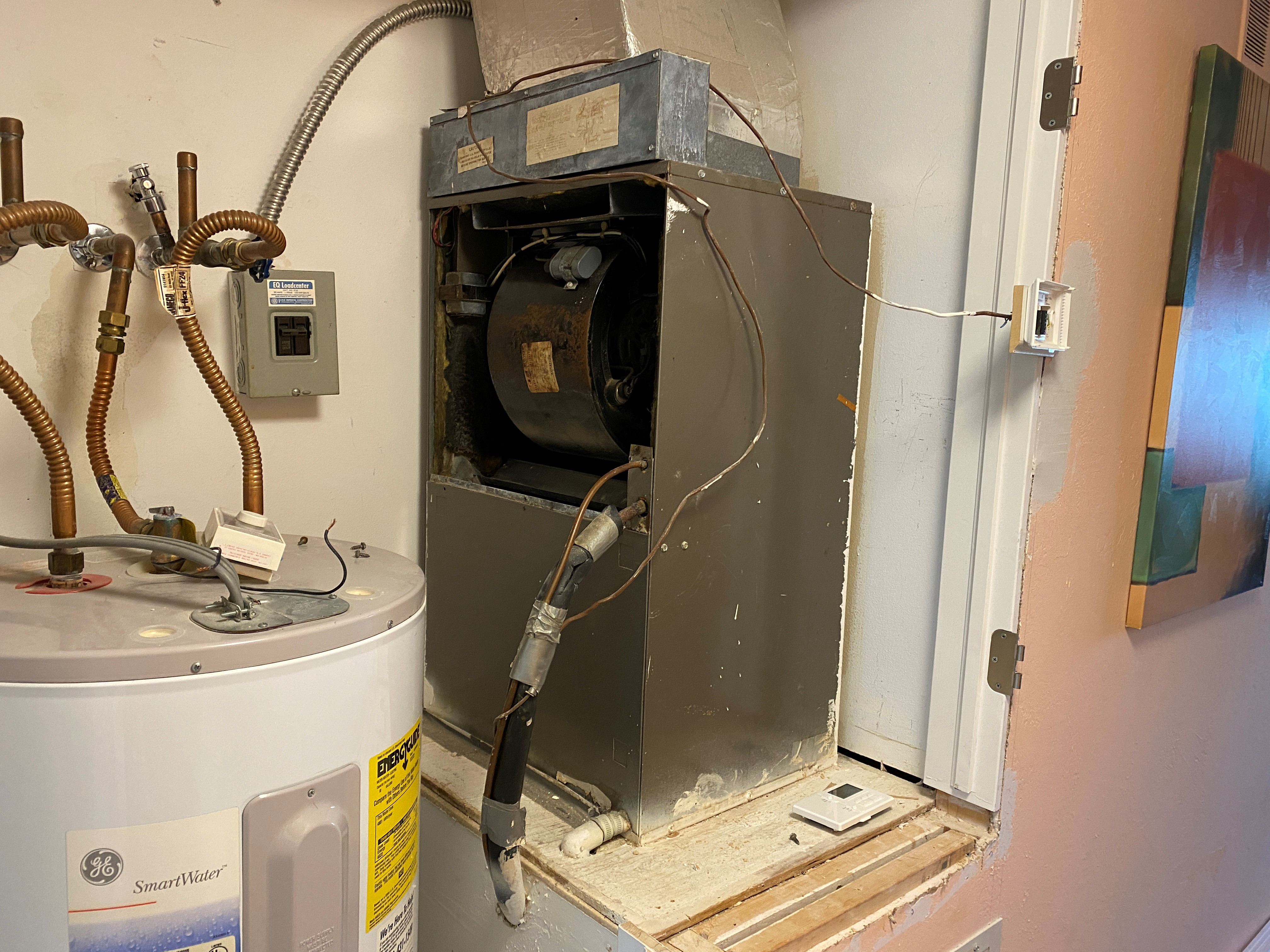
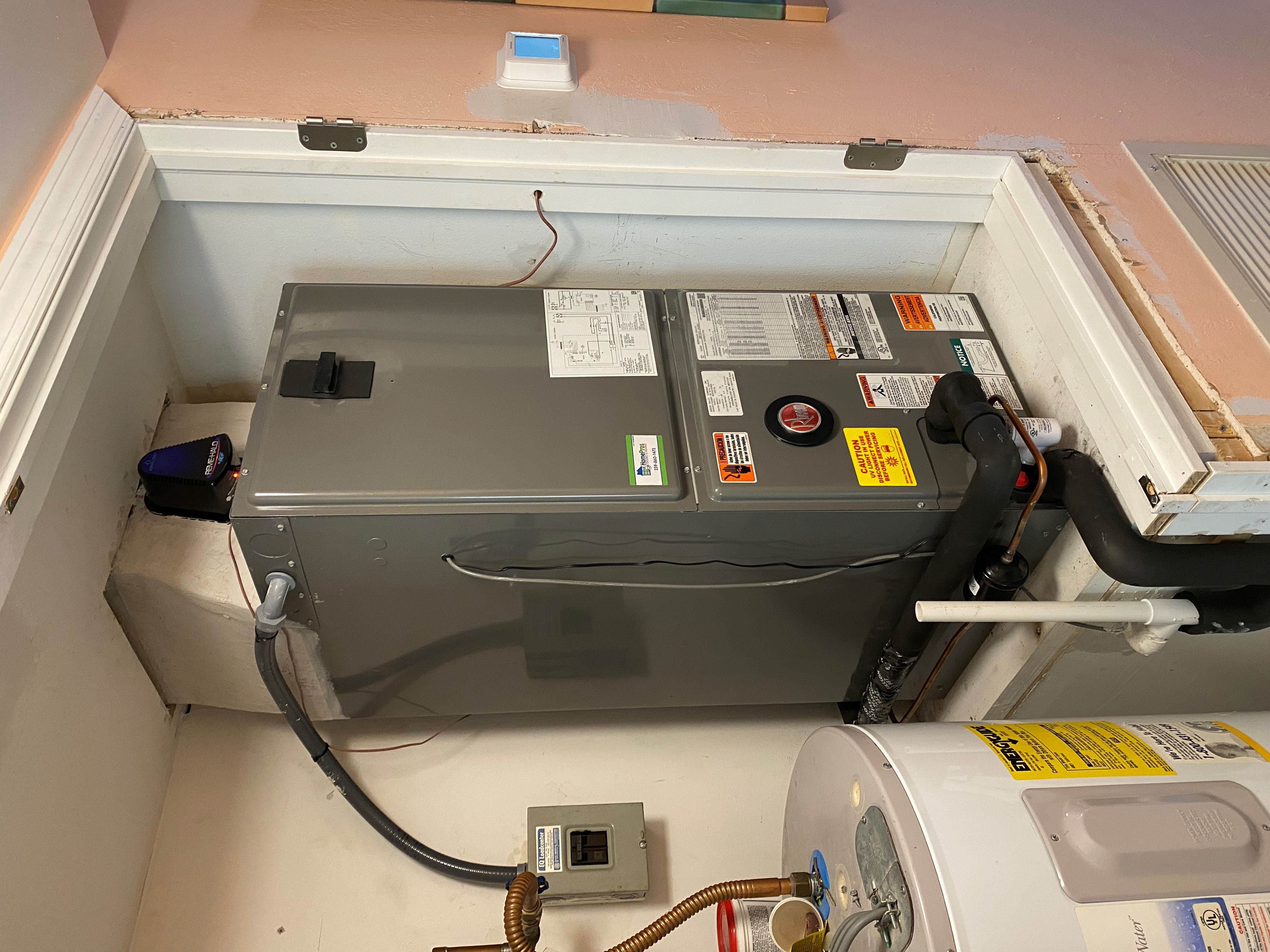
The HVAC industry's standard guidance is the 50% rule: if repairing your system costs more than 50% of what a replacement costs, it's time to replace it. On a system that's 12–15 years old, compressor failures almost always cross that line — compressor replacements run $1,200–$2,500, and a compressor that fails once on an aging system typically signals the end is near regardless. Add in the reality that systems made before 2020 use R-22 refrigerant (now federally discontinued and extremely expensive to service), and the financial case for replacement becomes clear well before the system dies completely.
⚠️ Don't Wait for a July Emergency
The worst time to find out your system is failing is mid-summer when every HVAC company in Lee and Collier County has a packed schedule. If your system is 10 or more years old, getting a proactive evaluation now means you control the timing and the cost — instead of making a rushed decision during the hottest week of the year.